Showing posts with label things to do in India. Show all posts
// //

Top Reasons to Stay at Homestays in India

The practice of homestays in India can be traced almost 5000 years back. In other words, this practice is deeply embedded in Indian civilization. Indians are ingrained with such a deep sense of hospitality because they firmly believe in the saying, “Athiti Devo Bhava”, which translates to, “guests are equivalent to God.”

One way of experiencing the true hospitality of the people and getting a close insight into the culture and lifestyle of India is opting for a homestay during your stay here. This brings with it several advantages, the most obvious one being the opportunity to learn about Indian culture and taste the lovely homemade food that the country is famous for. This blog tells you the 10 reasons to stay at homestays in India.

Acquaintance with the local people


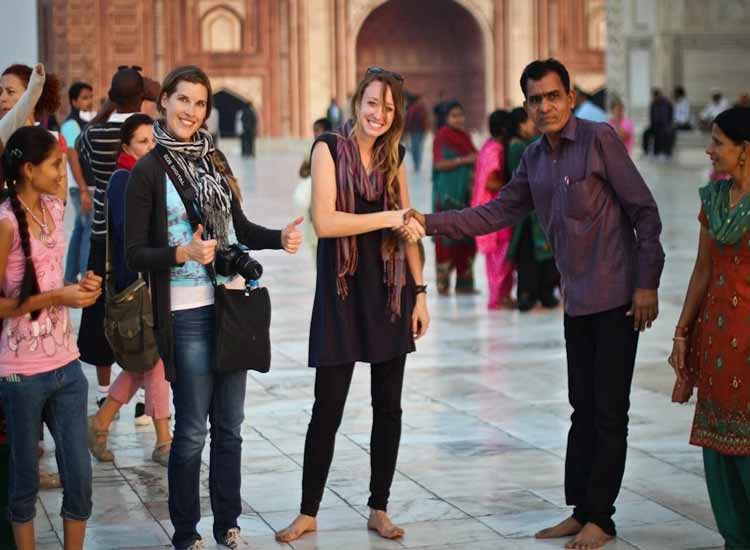
One of the ways of getting acquainted with the customs and lifestyle of the Indian people is opting for a homestay. While the friendly nature of Indians is sure to win you over, communicating with them won’t be a problem because many Indians can speak English really well. Moreover, you are free to spend time at your own leisure and enjoy meals with the family or spend time chatting with them and learning about their culture and way of life.

Nothing beats homemade Indian food


In India, it’s very easy to land up with an upset stomach. However, homestays enable you to enjoy the various kinds of Indian cuisines which is enjoyed with the rest of the family. It should be noted that a large percentage of Indian are vegetarians and abstain from meat and other kinds of non-vegetarian food. However, the unavailability of meat is compensated for by the delicious home cooked vegetarian dishes.

Homestays comes with great security


If you are a female solo traveler, homestays are the best option to go for. This is because you will have a family to look after you who will make you feel welcome and ensure that your safety and security is their prime responsibility. This becomes all the more important when you happen to return home late after a day of sightseeing. Either the family will pick you up or provide a driver who will bring you back home safely.


Get acquainted with Indian culture


One of the main purposes behind your visit to India is the desire to learn about Indian culture and experience the lifestyle of the people. This is best done by opting for a homestay rather than a hotel. Doing so will enable you to gain an insight into the working and way of living of an Indian family. This is important because India is a deeply family oriented culture.

Unique personal experience 


Experiencing something unique is always great, and gives one something to talk about. Of course, following a fixed itinerary and staying in a hotel has its own advantages. However, what makes a homestay far attractive is the unique experience which it delivers. Homestays usually consist of a few rooms and is run by the family themselves. Whether it’s something as simple as sharing a cup of tea, spending hours chatting or learning about their way of life, these are personal experiences which come only with a homestay.

Take part in special activities 


Homestays are also great because they allow one to participate in activities which are both special and fascinating. Of these, the opportunity to take part in events and festivals depend on their occurrence coinciding with your visit. Other than that, visitors are offered the chance of going on a tour of the villages and temples and discovering the various natural beauty spots. You could also choose to help with cattle herding or pay a visit to the family spice plantation.

Witness the different faces of India 


Another advantage of homestays is that they allow you to witness India in its varied forms. This is because homestays include a diverse range of options, from a mud hut in a rural village to a historic haveli, from a fort to a modern luxury city house. This option is far better and interesting than going for a hotel, where the stay can often get monotonous.

Be armed with local knowledge


Most of all, staying with a family will allow you to interact with the locals, thereby helping you understand more clearly about a local area. Further, the family’s local connections, valuable tips and connections will enable you to make your trip smooth and hassle free. Further, your host will be happy to guide you around the area and experience the place like a local.

Get off the grid

Opting for a homestay in India allows you to stay in a residential area. This means being away and safe from the scams, harassments and troubles which tourists are constantly subjected to by touts and scammers. This mode of accommodation allows you to stay peacefully and make the most of your trip.

Learn a new language

It’s always exciting on a trip somewhere to learn the language of that place. A homestay also offers you an opportunity of learning the language of the place you are visiting. What is great is that your hosts can teach you enough to help you communicate with the locals.

Related Post


Tips for First Time Travelers
Best Tips to save money while travelling in India
Essential Guide for Travel to India
Read More
// //

6 Must Visit Natural World Heritage Sites in India

India is blessed with enormous natural bounties and beauties. Home to over 88+ national parks, 70% of the great Himalayas that runs along its north and northeastern border and the Western Ghats that stretches all the way from North to South along the Western edge of the country from, India houses some of the most vibrant biodiversity hotspots.  To be inscribed by UNESCO as World Heritage Site is no mean feat and the natural sites that we will talk about are the 6 Must Visit Natural World Heritage Sites in India. So read on and hopefully visit them as soon as you can!

Valley of Flower

Valley of flowers - A National Park in the Indian Himalayas
An Indian National Park, which encompasses a unique natural zone between the Great Himalayas and Zanskar, Valley of Flower is something about which you hear only in a fairy tale. Like a giant colorful carpet covering the mountains, the flower valley sprawls over an expanse of around 87 km sq km . Since 2004, the park has been a UNESCO world-heritage site. Well, these were some facts of this unique valley in the state of Uttarakhand.

Speaking of its immense beauty, one just cannot be tired of speaking about it the whole day.  Representing western Himalayan meadows and ecoregion, the valley of flowers with its alpine vegetation has gained great importance. It has permanent species of flowers like the colorful Lillies, Daisies and Poppy. Also, the valley boasts of flowers of tremendous medicinal values. If you are a trekker, florist, botanist or just an admirer of nature’s beauty, a trip to this myriad region of flowers is a must.

However, you need to take care of certain things before planning a trip. As it is a reserved natural area,  permission from the authorities is required. Plus, the timing of the visit is very important. The best months to see the whole valley turn into a playground of multi colors are July and August.

The valley of flowers also offers an opportunity to watch some of the rarest and endangered species of animals in their natural habitat. A total of 13 species of mammals that include Asiatic black bear, red fox, blue sheep and musk deer can be seen, while walking along the flowery trails in the valley.

Sundarbans National Park

Sundarbans National Park - UNESCO world heritage site

A National park, wildlife sanctuary, tiger reserve, biosphere reserve and a UNESCO world heritage site. These are some of the titles, the region of Sunderbans is accolade with. Just as one reaches the southern tip of West Bengal, where the land meets sea, you would be welcomed by the marshy Sundarbans.

These marshylands provide natural homes to a variety of animals, underlining the royal Bengal tiger as its pride. Being situated at the biggest delta in the world, Ganga-Brahmaputra doab, the geography of Sunderbans is all about mangrove forests, with a variety of flora and a unique ecosystem to support the life form.

You would have seen numerous Bollywood movies on Sundarbans like the recent flick ‘Roar’, where the Royal Bengal tiger turns haywire on visitors and rule the land like his den. Well in reality, the land is still ruled by the tigers, but with little aggression.

Sundarbans National Park - Natural World Heritage Sites in India

Around 400 tigers walk over the damp lands of Sunderbans and can be watched from a manageable distance by the visitors. Tigers in this area are prone to swimming in the saline waters of the delta, although water has been the territory of any form of cat. Nevertheless,  don’t panic if you see any tiger swimming near your house boat.

Besides the black striped yellow cat, wildlife lovers can always fancy saltwater crocodile and Ganges River Dolphin in the waterbodies of Sunderbans. You can even have a great time watching beautiful migratory birds in the vicinity. Prime ones are Openbill storks, Waterhens, Pheasant Tailed Jacanas, Gray Herons and Paradise-Flycatchers. Watch out for venomous snakes as they are in abundance at Sunderbans.

Keoladeo National Park

Keoladeo National Park - World Heritage Sites in India

Escaping the boulevards of the mainstream Rajasthan, Keoladeo National Park seems like the best option any bird lover can have to wind up. Especially during winters, when its geography turns into a big fat nest of migratory birds.

You would be wondering what is so unique about this man-made wetland that lures thousands of foreign birds towards itself. Well, the answer lies in its strategic location. Being located enroute the Central Asian migratory flyway and the presence of a waterbody, the breeding birds do not seek a no, but make a stoppage at this address.

This trend of migration has been in continuation since the historic times, when the National Park was used as a hunting ground by the early rulers of the state. Now the hunting is over, so the visitors can get to see a humongous range of exotic birds. With over 370 species being recorded in the park till date, you just simply cannot ignore its variety.

Amongst the major attractions, Keoladeo National Park finds its biggest pride in the range of migratory waterfowls that visit the ecology during winters. Herons, Comorants, Common Sandpiper, Sarus Crane, Siberian Crane and Storks add to the glory of the park.

[ Also check out some of the best national parks in India ]

Kaziranga National Park

Kaziranga National Park in World Heritage Sites in India

Home to the Great Indian One Horned Rhinoceros, Kaziranga National Park runs all along the Brahmaputra river in Assam. Ironically, this undisturbed area of wilderness, is also one of the most popular tourist destinations in India. To the delight of wildlife enthusiasts, the national park is not only in the limelight for its enormous population of one-horned rhinos, but it has tigers as well to boast upon.

Looking at the high density of tigers in Kaziranga, the national park was also declared a tiger reserve almost a decade back. Kaziranga, being a source of inspiration for several books, documentaries and songs, is altogether a different world in its own. The serenity and unique biodiversity Kaziranga in terms of its flora and fauna make it perfectly suited for wildlife safaris that include Elephant safari and Jeep safari.  

A tour in the wilderness of Kaziranga comprises moving through the vast expanse of marshland and dense tropical broadleaf forests. Being on an elephant back or a jeep, the safari will take you deep in the wild. Imagine clicking a wild and strong rhino mom  peacefully grazing on the grasslands of Kaziranga with her cub, just like the Discovery people use to do.

The mere thought of it is enthralling, wonder what the reality would feel like. Similarly, you can capture beautiful pictures of Indian tigers, Asiatic water buffaloes, Sambar deer, Gaur and exotic bird species like Blyth’s Kingfisher, Black-necked stork, Ferruginous duck, White-bellied Heron and Gray-headed fish eagle in the all dense Kaziranga National Park.

[ Also check out some of the best national parks in India ]

Nilgiri Hills


Nilgiri Hills

Famed as the ‘Blue mountains’ of India, Nilgiri hills are one of the most popular tourist destinations in India. As you climb different altitudes of the Nilgiris, you would be coming across hill stations like Kotagiri, Coonoor and Ooty. Being in existence since a very long time, like the Aravallis, the region has encapsulated within itself pristine valleys, waterfalls and small hills.

Blessed by such a topography, the Nilgiris demand to be explored best on foot. If you are fond of trekking, then the hills in this region are just your cup of tea. The region consists of forests of Teak and Rhododendron which brilliantly depict its  geographical diversity. There is also a wildlife sanctuary with the name Mudumalai Wildlife Sanctuary in the vicinity.

Being a part of Nilgiri Biosphere Reserve, the sanctuary serves as an excellent delight for wildlife lovers. Animals like Tigers, Leopards, Chital, Sambar, Sloth Bear, Macaque and elephants are the prime attractions of Mudumalai Wildlife Sanctuary. Besides trekking through the lush green cover of the hills, one can have a quaint time fishing and angling.

If you are at the Nilgiris, do not forget to take away tea bags of the world renowned ‘Nilgiri Tea’. There is also one ‘Tea and Tourism Festival’ held in the starting months of the year. Therefore, a pocket full of reasons for everyone to travel to Nilgiri Hills, atleast once in their life time.

[ Read more About Top 5 Hill Stations in India ]

Great Himalayan National Park  

Great Himalayan National Park
Wild Goat in Great Himalayan National Park
Himalayas in the north of India hold such a massive repository of diversity, the regions of which not only pushes the limits of adventure lovers, but they preserve the natural heritage of the country as well. This somewhat describes the jewel of the Himalayan region, the Great Himalayan National Park, which today enjoys the privileges of a UNESCO world heritage site.

An ideal Himalayan retreat, highlighting emerald meadows, coniferous forests, snowy peaks and glaciers, the high altitude national park is like no other in India. Its rugged topography and not so easy accessibility, offer the primates of the park a safe and diverse ecological system.

If you are planning to visit the Great Himalayan National Park, make sure you do it in the summers, so that your access in the different regions of the park does not go limited. Some of the most rare species that you can check out in the national park are Himalayan Tahr, Bharal or commonly known as Blue Sheep and Musk Deer. Well, these are the animals you would easily spot in the national park. But, for true wildlife experts and lovers, the wait to watch your favorite animal can stretch from days to weeks.

Waterfall Inside Great Himalayan National Park
Under this, Snow Leopards are hard to spot. These shy cats are not fond of staying in groups and prefer to stay hidden at the daytime, leaving the nights for an ambush. Thus, a good amount of patience and observation is required to click these beautiful carnivores. Apart from this, the rich diversity of the park also provides a natural habitat to spectacular birds like Monal Pheasant, Western Tragopan, Himalayan Griffon, Golden Eagle and the Great Himalayan Barbet. 

Read More
// // Leave a Comment

Gwalior Fort, Madhya Pradesh: A Travel Guide

One of the best places to visit in Madhya Pradesh, Gwalior Fort is one of the oldest and resplendent fortresses in India. The fort came into prominence around 8th century under the rule of Rajput Tomar kings. This sprawling hill fort houses several structures of note that include 2 palaces, several temples and water tanks.

The fort's rule changed several hands that include Rajputs, Mamluks, Suris, Mughals, Marathas and British. To get a peek into the turbulent history and legends associated with Gwalior Fort, do attend the Son et Lumiere which is held every night at the open air amphitheater inside the fort complex.

Gwalior Fort, Madhya Pradesh, India
Gwalior Fort, Travel Facts:

Location: Seated at the hilltop, around 100 meters above the city level, the fort  is around 7 km from the Gwalior railway station.

Built by: The fort is believed to have been built by Raja Man Singh Tomar, however, in the course of five hundred years the fort went from one ruler to another.

Built in: Gwalior Fort was built in the 8th-century.

Highlights: The fort consists of three temples, six palaces and numerous water tanks. It is 35 feet high and is about 2 miles in length.

How to reach: One can easily get to the fort from the city by bus, taxi, auto, rickshaw or even by walking if there is time.

Best time to visit: November- January.

Entry fee: INR 75 per head (adult); INR 40 per head (children); INR 250 per head (foreign tourist)

Standing on a steep mass of sandstone, Gwalior fort gives a clear view of the east of Gwalior. The fort comprises of two main palaces: Man Mandir and Gujari Mahal. Besides the main two palaces there are other recommended places like the Man Singh Palace, Jauhar Kund, Jahangir Mahal, Sahahjahan Mahal and more. The temples and the monuments are of different religion mostly Hindu and Jain.

Gwalior Fort is included in our list of top 10 forts in India. Check out the other top forts in India.


The fort’s dramatic entrance named the Hathi pul (elephant gate) is on the eastern side. A steep road winds upwards to the Fort, and along the way there are Jain sculptures cut into the rock which is well worth the climb.

History and Anecdotes: 

Gwalior's history is traced back to a legend. In 8 A.D, a chieftain called Suraj Sen was stricken by leprosy. Hermit saint, Gwalipa, cured him and in gratitude the chieftain founded the city which he named after the saint who had given him the gift of new life.

Gwalior Fort - History and Anecdotes
Over the centuries the city has been captured by many dynasties when slowly it became popular. The different rulers in the city brought about diversity and a new taste each time, which is evident in the architecture and designs till today.

The earliest record of the fort is  525 AD where it is mentioned in an inscription in the temple of the Hun. The fort was made to serve as a prison by the Mughals.  

It is believed that the Gujari Mahal is a momento of Raja Mansingh Tomar’s love for his Gujar Queen, Mrignayani. The palace is made beautifully and so is the other palace, Man Mandir with its outer walls are distinctively decorated with blue mosaic tiles and rows of yellow ducks.

The fort is a prominent landmark of the city as it stands upright and broad, it has served the purpose well during the times of battles, imprisonments and jauhars.

Some Interesting Facts about the Gwalior Fort:
  • The Fort is one of the biggest forts in India.
  • It covers an area of 3 square kilometers and is 35 feet high. 
  • There are eleven temples of Gautama Buddha and Tirthankars of Jainism.There are also a number of palaces (mahal).
  • There are two gates, one on the northeast side with a long access ramp and other on the southwest. The main entrance is the Elephant gate and the other is the Badalgarh Gate.
  • The water tanks or the reservoirs of the Fort could provide water to a 15000 strong garrison, they were required to secure the fort.
  • One of the palaces of the fort, Gujari Mahal has been converted into an archeological museum.
  • Every evening a light and sound show is presented in the Fort’s open amphitheater.
  • On the same hill is the famous boarding school, which is exclusive for the sons of princes and nobles, Scindia School. It was founded by Madho Rao Scindia in 1897.
  • There are many festivals and fairs that take place in Gwalior during the winter seasons: Gwalior Annual Trade Fair is famous to experience the native culture and for shopping.
  • Tansen Music Festival, is held in honor of Tansen who was from the city.This festival ensures you a journey of Indian classical music.
  • Gwalior Carnival, which started recently by the tourism department of the city is an event that includes various activities like dance, music, food, spiritual camps and sports.
Related Posts:
Red Fort, Delhi
Amber Fort, Jaipur
Agra Fort
Jaisalmer Fort
Daulatabad Fort
Golkonda Fort
Chittorgarh Fort
Read More
// // Leave a Comment

Best Places to Visit in India in November

With temperature cooling down and monsoon over, November heralds the peak season of tourism in India. It is the time of year when all wildlife sanctuaries are open, the scorching desert of Rajasthan cools down, Andaman and Goa beaches are accessible with sporadic rains  and the snow carpets the great Himalayan landscape. In all this is the time of the year when you could enjoy the true geographical diversity of India. If you are itching to go footloose than our compilation of the best places to visit in India in November is just the thing for you.

The days get shorter, calmer and the nights considerably cooler. November is also the month when a number of festivals are being celebrated all around the country including the world famous Pushar Fair. In a nutshell, this is the best time of the year to explore some of India’s most interesting places. So, here are the list of top places to visit in India in November:

[Or skip straight to November tour packages by destination page]   

Gulmarg

  
India’s vey own vision of heaven, Gulmarg lies in Jammu and Kashmir. The snow carpeted hill station is one of the favorites of travelers. The beautiful landscapes of snow everywhere you see is of exceptional delight. November witnesses a good enough amount of snow which lets you indulge in adventures and enjoy a great time. Vacations in Gulmarg comprise of exhilarating skiing, snowboarding, and snowball fight, building a snow man, checking out the 2 phase gondola ride and enjoying a comfortable stay with family or your loved one.

The “Meadow of Flowers’ is splendid every season but the powdery snow created a magical land where travelers will feel themselves lost. It’s very easy to reach Gulmarg as it is quite close to the capital city Srinagar and very comfortably connected. During you stay in the ski resort destination, check out the quaint Anglican Church of St Mary’s, the classic Hotel Highlands Park, Mt Afarwat and the view of Nanga Parbat.

Jaipur

Hawa Mahal is one of the prominent tourist attractions in Jaipur
Hawa Mahal in Jaipur
The Royal Rajputs of India have their fables still being repeated. The capital city of the desert state of Rajasthan, Jaipur is a living heritage of the grandeur of the warrior rulers. The city of magnificent forts, palaces, wonderful markets and pampering hospitality is on the top of the list of favorite holiday destinations in India in November. 

The month of pleasant weather makes it possible for travelers to enjoy sightseeing, shopping, dining and regal stay. Start your holiday with sightseeing of City Palace, Hawa Mahal, Amber Fort, Jaigarh Fort, Nahargarh Fort, Jantar Mantar and Albert Museum Hall. Indulge in amazing shopping as the markets are wonderfully packed with attires of vibrant shades, attractive jewelry, poetries, artifacts and various treasures. The lip smacking food deserves a special mention as you indulge is some exotic and truly wonderful flavors. The stay in the city accommodations are regal and replete of every luxury. Try out the opportunity to stay in palaces converted into heritage resorts.

Auli

Auli is an important ski destination in the Himalayan mountains of Uttarakhand, India.
View of Auli Hill station
The breathtakingly beautiful Auli in Uttarakhand is a winter wonderland. International standards of skiing and snow adventures at most pocket friendly rates have drawn travelers form domestic as well as international boundaries. November beautifies the hill station with a powdery white layer of snow. The alpine hill station is a sight straight out of pages of fairytales of faraway snow lands. Located at an elevation of 2500 to 3050 meters above sea level enjoy the pure air of mountains, views of Nanda Devi, Naga Parbat and other towering peaks with presence almost to the skyline. 

The thrill of gliding down the peaks aided with snow gear calls for the adventure seekers. There are numerous treks for all enthusiasts that challenge you and take you on a scenic experience. Honeymoon couples and families travel to Auli for its blessed environs. Uttarakhand boasts of various hill beauties but Auli shines like a beacon as its charm remains unrivalled.

Puri

Spectacular view of the sunrise at Puri Beach
Puri remains an important travel destination all over the year but for the maximum fun, November is the time to plan your trip. Devotees, beach lovers, explorers and every traveler makes way to the city approx. 60 km from Bhubaneshwar the capital of the state along the Bay of Bengal coast. Known for its famous Jagannath temple and the magnificent Rath Yatra, Puri is one of the original sites of Chardham Yatra for attainment of Moksha. 

Apart from its spiritual significance the city is a beautiful beach destination and the getaway to other pleasant attractions. Check out the religious attractions at Jagannath Temple, Gundicha Temple, Tota Gopinatt, Sunaragauranga, Lokanath and Daria Mahabir. For getaways there are choices of Konark Temple, Balighai, Brahmagiri, Satyabadi, Baliharachandi, Raghurajpur and Satapara. During your stay do not miss out the fresh delicacies of the sea or the exquisite shopping delights of sea-shell, palm leaf paintings, wooden carvings and Solapith work.

Delhi

Humayun’s tomb - one of the best preserved Mughal monuments
The capital city of India is an evergreen holiday destination. The pleasant weather of November makes it ideal for sightseeing, indulging in the city experiences and to be lost in the charm of the city of cities. The modern and the old world merge and co-exist here. Form the by lanes of Old Delhi of Red Fort, Jama Masjid to the planned road towards Rashtrapati Bhavan to India Gate create a wonderful time. 

Indulge in sightseeing of icons like Red Fort, India Gate, Lotus Temple, Humayun’s Tomb, Qutub complex, the Swami Narayan, Akshardham Temple, Jantar Mantar, Purana Qila, Connaught Place and numerous others. The markets of the city are thriving with attractive bargains of latest clothes, jewelry, artifacts and other treasures. The foodie tails of the city takes you to a plethora of sights, smells and flavors such as Mughal, North Indian, Afghani and other variants. The nightlife and the entertainment section too remains unrivalled.  The city is not just a destination but the mix of various experiences.

Khajuraho


A UNESCO World Heritage Site, the Khajuraho Temples in Madhya Pradesh are amongst the most beautiful medieval monuments in India.
Khajuraho Temple - one of the UNESCO World Heritage Sites in India

The glorious Indian heritage can be witnessed at the UNESCO heritage site of Khajuraho at Madhya Pradesh. The city comprises of elegant monuments of Hindu and Jain Temples, erotic carvings in the temples and architecture that surely mind boggles you. November creates the perfect season to be an explorer and wanderer. Get ready to witness the proud heritage of Indian civilization with roots almost 200 years old. The ruins of temples are ideal to get lost in the old world charm. Easily connected to Jhansi the ancient site is easy to access. 

The history, heritage and mysticism are not the only pleasures to be indulge in. Learn the ways of manifestation of tantric philosophies which were a core part of the old culture. Almost every temple has detailed carvings of every aspect of life form rituals, courtship, lovemaking, dance forms, gods and goddesses and every aspect of human life. The nippy climate is perfect for you to plan your expedition.


Aurangabad (Ajanta & Ellora)

Ajanta and Ellora close to Aurangabad in Maharashtra is one of the interesting places to visit this November.

India has a rare treasure of cave temples. Of the many Ajanta & Ellora are wonderful. The intricate detailed carved temples of Ajanta and Ellora close to Aurangabad in Maharashtra is one of the interesting places to visit this November. The pleasant weather conditions creates a suitable condition for you to gawk at the intricate art for hours without worrying about heat or weather conditions. Get lost in art so beautifully created and preserved. It’s not hours you need but few hours to quench thirst of inquisitiveness. 

The style, the created paints with dyes and the details of carvings needs special attention. Various murals depicting aspects of Buddhist faiths there is a lot to explore. After your thorough study the city grants other interesting pleasures as you explore the city of Aurangabad famous for its other attractions like Panchakki, Bibi Ka Maqbara and others, gastronomical delights and getaway to other beauties.

Srinagar

Tourist play with snow at a park during heavy snowfall in Srinagar
 The Heaven on Earth is a charming pleasure all season of the year but November enhances the beauty. For an early winter holiday, Srinagar remains an unrivalled choice. The first snowfall in the mountains is a bliss. The serene glassy waters of Dal Lake, Jhelum River and Nagin Lake can be enjoyed with vibrant colored Shikaras and houseboats. 

The fluttering prayer flags on Shankaracharya temple and Hazrat Bal; the beauty of the Mughal gardens of Shalimar Bagh and Nishat Bagh; the chaos of markets packed with kesar, handicrafts and other beauties is truly splendid. Srinagar is endowed with a charm which invites honeymoon couples, families and adventure lovers from all over the world. The experience of the earthy paradise remains in the heart of all travelers who have laid their eyes here. Enjoy the unique flavor of kawaah and other gastronomical delights, the warmth of locals and the experience of closest to heaven you can ever be.

Ooty

Best Places to Visit in India in November in Ooty

Just like any other town in TamilNadu, Ooty is a bustling town where life goes on in a hectic schedule. But if you are looking for some of the best places to visit in India, then you need to head to the greener areas, which are still in the charm of the vintage British era.

A hill station that was only a summer destination of the English in the early 19th century, is now a reason to look beyond the quintessential of Tamil Nadu (cultural heritage).

Located on the Nilgiri hills in the southern part of India, Ooty is a paradise that is dotted with plantations of tea, artificial lakes, waterfalls, lovely parks, gardens, and primitive Bungalows which beautifully showcases British legacy.

Other pleasantries involve the mild weather which is highly rejuvenating and enticing, and to enjoy the best of it, travel in winters. Winters bring the best out of Ooty. A cool temperature with a misty environ, lush green covers with a blue backdrop of Nilgiris, winters do know how to define its real beauty.

And while you are travelling to Ooty, do not forget to make use of the Nilgiri mountain railway. It is highly vintage, a century old, and it crawls through some of the best nature spots in Ooty that include rocky landscapes and tea estates, you might miss them if traveling otherwise.

Bundi, Rajasthan

Taragarh Fort, Bundi - The undiscovered splendour
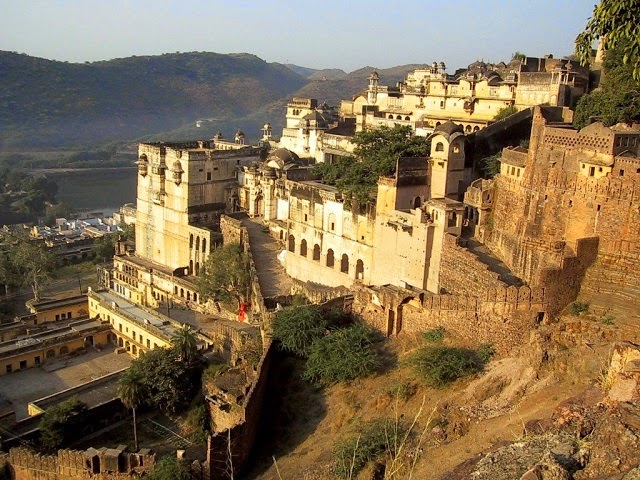
A tiny less-explored town, Bundi boasts of rich historical assets. Once the ruling tribe of the region, the Meena tribe hds given a name to this place. Bundi has been named after the tribe’s chieftain Bunda Meena. Placed at a distance of around 200 km from the state’s capital Jaipur, this quaint yet enchanting town is encircled by the Aravalis from three sides. 

This calm town has narrow alleys, hills, blue-colored houses, temples, havelis and the most popular Taragarh Fort. It is one of those places in Rajasthan that still carries its old magical regal charm. The place is also popular for the Bundi School of painting, known for its Rajasthan-inspired miniature paintings.

[Also check out Shekhawati Festival in Rajasthan]

Varanasi, Uttar Pradesh

The Holy City Varanasi

Also known as Kashi and Benaras, the busy city of Varanasi is popular for being one of the oldest continuously inhabited cities in the world. Brace yourself and set your foot in one of the 7 holy cities of the Hindu religion. The western banks of the river Ganga extend themselves to a web of narrow Galis, another charm of the city. 

Enjoy a boat ride on the placid waters of Ganga and observe the morning rituals taking place on the ghats. Known as the abode of Lord Shiva, this city is also famed for its special ‘paan’ and ancient Benares Hindu University. Kashi Vishwanath Temple dedicated to Lord Shiva when he visited this holy city with his wife Sati is considered one of the top 10 temples in India.

Do not miss the evening Ganga aarti, a major tourist attraction. Along with the temples of Varanasi, do explore the Buddhist sites of Sanchi.
[Explore Varanasi Tour Packages]

Tamil Nadu: Cradle of Dravidian Culture

Vivekanad Rock Memorial, Tamil Nadu
The lamp lit Vivekanand Rock Memorial is one of the prime attraction in Kanyakumari, Tamil Nadu
The most beautiful state of south India, Tamil Nadu is a major tourist destination owing to some of the most astounding temples in India including the Shore Temples at Mahabalipuram and Brihadeeshwara Temple - both of them inscribed as UNESCO World Heritage Site.

The holy site of Rameshwaram and the southern tip Kanyakumari with its Vivekanand Rock Memorial are two of the major tourist destinations beside Tanjore, Chennai and Madurai. Tamil Nadi is also home to 3 of the most popular honeymoon destinations in South India namely Ooty, Coonoor and Kodaikanal. Of these 3 popular hill stations in India, Ooty is by far the most popular hill station in South India attracting both families and honeymooners round the year.

Since the tropical climate of Tamil Nadu sees very less variation between summer and winter, the temperature varies very little. However as the North East Monsoon recedes and winter approaches in November, the tourist places in Tamil Nadu are best to visit as the mercury level come down to an average of 25-30 degree Celsius. The weather remains pleasant and cool during between November till March making it the best time for sightseeing and enjoying adventure activities in Tamil Nadu.

Bhuj, Gujarat

Bhuj, Gujarat

The former capital of the Kutch, the quaint town of Bhuj has an amazing feel about it that somewhere connects you to its old rulers and their charm still hanging in the air. Though after the massive earthquake of 2001 Bhuj was almost destroyed but it has been resurrected again and looks great. After the Jadeja Rajputs made Bhuj their capital in 1510, it became one of the most important towns in the region. 

During your visit, you can visit Prag mahal, Rama Kund, Hamirsar lake, Kutch Museum and Aina Mahal and get your hands on some amazing handicraft items and local textiles, famous all around the world. Do not miss a walk around the royal Cenotaphs in the evening.

Jaisalmer, Rajasthan

Jaisalmer for camel safari in the Thar

Lovingly called the Golden City, Jaisalmer is quite close to the border of Pakistan, the westernmost boundary of Rajasthan. Jaisalmer is also quite popular for a camel safari in vast sand dunes of the Thar Desert. One of the most striking monuments here is the Jaisalmer Fort or the Sonar Quila, a must-visit. Explore the old havelis (mansions), shop at the local markets and binge on the lip-smacking food. 


This city is also popular for being one of the main ancient trading centres. Another attraction which should not be missed is the beautifully-carved Jain temples. In November, the weather especially during the evening becomes amazing.

[Read more about Jaisalmer]

Goa

Adventure Sports in Goa

The tiny state of Goa is probably one of the most visited destinations in India, which is famed for its beaches, churches, nightlife, shopping and more. It is visited by local and foreign tourists every, alike, in crazy numbers. Blessed with a coastline that is over 101 km, Goa is one of India’s smallest countries that is located on the western coast in the Konkan region. 

Goa does not only has beautiful churches and beaches, but it also attracts visitors through its water sports activities, night parties, flea markets, wildlife, casinos, lush spice plantations and seafood and drinks, mainly a special Cashew nut drink made here, Fenni.

[Also check out 6 best beaches in Goa]

Hampi,  Karnataka

Hampi Group of Monuments

Hampi is one of the best places to visit for its major tourist attractions, its superb weather and an exotic charm. The last capital of one of the greatest Hindu dynasties in the history of the country, Vijayanagar Empire, Hampi is laidback town, attracting visitors who have an interest in history. This place is quite popular for its temple ruins, which were built way back during the 14th century. 

The temple ruins of Hampi have divided into two main areas: the Royal Centre, towards Kamalapuram and the Sacred Centre, around the Bazaar. A group of around 500 monuments in this World Heritage Site, it stretches itself in around 25 km. Out of these, Vittala Temple, dedicated to Lord Vishnu, is very popular. The huge hall of the temple has beautifully carved pillars, 56 in number, whichwhen struck make interesting musical sounds.

[Read more about Hampi Group of Monuments]

Sasan Gir,  Gujarat

A pair of Asiatic lions at Sasan Gir National Park
Spread in an area of 1414 sq km, Sasan Gir Sancturay is as the only home of the Asiatic lion. Lying amidst Junagarh and Veraval, this wildlife sanctuary was established in the year 1965 and became a national park in 1975. Gir National Park is home to around 300 bird species and 37 mammal species. Some of the animals that can be spotted during the wildlife safari include Sambar deer, spotted deer, chinkara, Nilgai, four-horned antelope, crocodiles and so on. Gir is placed 43 km towards the north-east of Somnath.

[Also check out more ideas on holidays in Gujarat]

Orchha,  Madhya Pradesh

Chhatris at Orchha

Established by Rudra Pratap, the Bundela Rajput chieftain way back during the 16th century Orchha stands on the banks of River Betwa. This quaint town is home to some very beautiful architectural marvels including the Jehangir Mahal, Raj Mahal and the Laxminarayan temple. 

The royal cenotaphs or the Chatrris, on the banks of the river, are the major crowd pullers. This historic small town in the state of Madhya Pradesh is a nice place to visit during November if you have an interest in medieval history.

[Read more about Orchha]

Bharatpur,  Rajasthan

Sarus Crane, Bharatpur Bird Sanctuary

The ‘Eastern Gateway to Rajasthan’, Bharatpur was established in 1733 by Maharaja Suraj Mal. This place has been named after Bharat, one of the brothers of Lord Ramayana. Laxmana, the other brother of Lord Rama is worshipped here as the main deity. One of the major attractions here is the forest and its wildlife. 

The UNESCO World Heritage Site of Keoladeo Ghana National Park, formerly known as Bharatpur National Bark and Bird Sanctuary, is primarily a wetland.  Over 300 bird species is the major highlight of this park. This national park is placed 3 km southwards of the center of Bharatpur. Along with the national park, there are other historical sites as well including Lohagarh Fort and Deeg Palace, close by, which are worth visiting.

[Read more about Bharatpur or get some for ideas for wildlife holidays in India]

Tiruchirappalli, Tamil Nadu

Tiruchirapalli ancient temples
Tiruchirapalli Temples
Tiruchirappalli, also known as Trichy, is quite popular for its temples as well as busy streets and bazaars as well. This place boasts of a long history. It had been under the rule of several dynasties including the early and medieval Cholas, Pallavas, Delhi Sultanante, Pandyas and Vijayanagar. 

Geographically located in the center of the Tamil Nadu state, Tiruchirapalli, became prominent during the 17th century when it was under the rule of the Nayaks. The most important attraction here, Rock Fort Temple, was erected during this time only.

[Also check out our post on South India Temple Tours or ideas for holiday in South India]

Ajmer


A city breathing into the beliefs of the great saint, ‘Khwaja Muin-ud-Din Chishti’, Ajmer is no ordinary region in Rajasthan. Some say, seven visits to the tomb of the saint, ‘Dargah Khwaja Sahib’, equal to one of Mecca.

Despite being a very important Muslim pilgrimage center in India, Ajmer encompasses within itself shades of other religions as well. In one picture frame, Ajmer bustles with diverse cultures, communities and linguistics, that is not only contrasting to the silence of its natural wonders, but is interesting to the eyes of  urban meanders. And hence, making Ajmer, one of the best places to visit in India

In a picturesque valley of Rajasthan, it lives in its predefined medieval character, shined by the vibrant markets around the Dargah, Mughal gateways, mosque minarets and domes. Ajmer’s strong Islamic influence can be easily sensed as you walk through the narrows surrounding the famous Dargah. 

Little ahead from the main Dargah Khwaja Sahib, is the Sandali Masjid, a creation of Mughal emperor Aurangzeb. Nestled coyly in the corners is a lineup of remarkable structures that include the tomb of  Khwaja’s daughter, Bibi Hafiza Jamat, Buland Darwaza and Akbari Masjid. 

Although Ajmer is in its transforming phase and is getting shadowed by the developments of infrastructure and industry, it still has its splendors intact. To justify this, the city has its share of monuments and structures.

Ramshackle yet impressive, the Taragarh fort is reminiscent of the seat of the mighty Chauhans. Perched on the Taragarh hill, it gives a view of the horizon, ruled by the mountains, and is preceded by white and blue settlements of concrete.

Truly an enchanting spot to savor a moment of silence.

And if you admire much of the nature, artificial lakes like Foy Sagar and Ana Sagar can be your best deal.

Proximity to Pushkar also brings a lot of tourists to Ajmer, and especially in November, when the major portion of tourism is directed towards the Pushkar fair.  

Sarnath

Travel only a few kilometers from Varanasi, and you would enter the Buddhist zone of India, Sarnath. It was the year of 534 BC, Lord Buddha in his human form set foot on this soil of India and enlightened the region with his first sermon.

Centuries later, King Ashoka solidified the foundations of Buddhism by erecting huge Stupas and Pillars, which still stand mighty amidst the modern transformations of today.

Sarnath in its present form, includes Buddhist relics that are actually ancient remains; result of continuous foreign invasions. One structure that strongly braved the destructions of the Turks, is the Dharmekh Stupa. The Stupa is huge, and with dimensions like 128 feet height and 93 feet in diameter, it gives one of the most eye catching sights in Sarnath.

It is believed that the Stupa is the actual spot where the cross-legged Buddha delivered his divine preachings. Other structures that highly contributes in the credentials of  Sarnath are the rare pre-Ashokan Stupa, Dharmajika Stupa and Ashoka pillar.

Although torn apart, Buddhists and historians value them  for their carvings. Moreover, carvings and life-size statue of Lord Buddha in the ruins of Mulagandhakuti Vihara, temporary abode of the Lord for meditative purpose, leave Sarnath with enough reasons to be amongst the most visited places in India. The Vihara is now a renowned Buddhist temple in this enlightened place. 

To get a more vivid picture of the spiritual past, Sarnath has a museum which comprises an exotic collection of sculptures of the bygone era. One can find specimens of Buddhist art, India’s National Emblem and Lord Buddha’s statue of turning the wheel of law, at the Sarnath museum, which are among its renowned collections as well.

And at the last, do not forget to visit the Bodhi tree as it has the essence of the original Bodhi tree of Anuradhapura in Sri Lanka, under which Lord Buddha attained enlightenment.  

From October to March, weather here remains pleasant. Hence a very favorable time to visit. Moreover, in the month of November, the region of Sarnath celebrates Chhath Puja in its full festive mood. 

Corbett

Some tag it with man-eating tigers, rest consider it just a national park. These assumptions are baseless if you dare not go out in the wild and see for yourself. For a wildlife lover, especially a big jungle cat admirer, the place is no less fascinating than the stories of Rudyard Kipling. Located in the Kumaon hills of Uttarakhand, Jim Corbett National Park, is as mysterious as a Tiger’s behavior.

The national park is the first of its kind in India and is named after a legendary hunter of the British era, Jim Corbett. He was no usual hunter, but a savior from the man-eating wildlife of Kumaon.

That was a thing in the past, in the current scenario, Corbett is a great show of wildlife, put on display at the national park’s sprawling area of grasslands, forests and river habitats. The casting speaks of the Royal Bengal Tiger as the center of attraction, the protagonist of the show.

Ironically, the star attraction is a rare sight in the Corbett.  The  element of surprise lies here too. Imagine you are riding on an elephant back and suddenly few spotted deers cross your way, moments later a ferocious yellow striped animal in its full rush paces to them and snaps one of them by the neck.

Indeed a highly desirable sight for wildlife enthusiasts.

Besides such a heart grappling action, wildlife safaris at Corbett National Park include face to face with the very famous Sambar deer, Chital and Barking deer, the barks of which fill the ambiance of Corbett at all times.

To have access to all the ecological zones of Corbett National Park, plan your visits in the winters, starting from November.

Tarkarli


“One of the best beaches in the world”, as stated by a London based weekly, Tarkarli is true to this statement in every sense of the word. Situated hundreds of kms away from the noise of Mumbai, it is as serene as it can be. Its serenity is such, commercialization will take quite many years to make it here.

White sandy beach, with a shoreline that gets continuously washed waves of crystal blue water. The water is so crystal clear, you can even see the emerald sea green bed, quite like the islands of the Andaman group. The beach is a must visit in Maharashtra if you enjoy underwater adventure sports.

Snorkeling and scuba diving are amongst the prime activities that one can actively indulge in. The beach is serene, you either spend your time lazing on a hammock, get a good sunbath or go explore the atolls, every affair here just feels so private. As you are done with the activities on the beach, ferry to the very popular sea fort, Singhudurg. It is a 17th century structure, that was built by the great Maratha ruler, Shivaji.

There are various other attractions in the vicinity of Tarkarli, that not only add to the perks of this beach destination, but are hostspots to explore the culture of this Konkan region.  

Pushkar


As seen from Nag Pahar (snake mountain) in Rajasthan, Pushkar is a patch of milky blue structures, built around a beautiful and placid lake. Almost centrally located in Rajasthan, Pushkar must not be judged like the other cities.

It has its magnetism and aura that defines its stature. The stature of Pushkar is governed by sacred Hindu beliefs and is in existence since the mythological times. The holy stature can be very well sensed as you enter this city, hidden behind a mountain range and a desert in its periphery.

With a collection of more than 50 bathing ghats, the very few Brahma temples of the world, and hundreds of temples, Pushkar is one of the holiest in India. And to completely delve into the spirituality of Pushkar, visit the place during the month of November, when the city celebrates the springing up of Lord Brahma from the Pushkar lake. The festivities of it continue for five days, till the full moon day of Kartik Purnima.

They call it the Pushkar fair, which apart from the religious rituals also has a camel fair as its background.

Various cultural programs, traditional rural sports like tug of war, turban tying and moustache nurturing competitions make the face of this colorful desert festival. This makes Pushkar one of the best places to visit in India in November.                   

Mysore


You may travel to Mysore for its architectural splendors that reminisices the heritage and tales of its bygone era, but the drawcard gives you other reasons as well.The city flaunts its old world charm with structures like the Mysore Palace and Amba Vilas Palace.

Some of them are World Heritage spots, while others are simply day sightseeing attractions. Nevertheless, as soon as you set foot on this southern city, the sight looks no different from the other urbanes of India. Honking of cars, buses and traffic of the modern Mysore!

Amidst this cacophony, the sweet scent of jasmine and sandalwood, bring alive the real traditions of Mysore in your mind. To understand it better, visit the vibrant streets which sell authentic handicrafts; Cauvery Arts and Crafts Emporium can be an ideal place for the same.

Besides, one thing that has been completely untouched about Mysore, is Ashtanga Yoga, which is gaining tremendous reputation since the past years.   

Jodhpur

Mehrangarh Fort in Jodhpur
It’s the mighty Mehrangarh fort, which the ‘blue city’ Jodhpur speaks in its full grandeur. Well, it’s the first thing that would be catching your fancy as you would be entering this human habitat in the desert.

The fort is colossal and narrates the tales of the bygone era of Jodhpur. Move over the fort and find yourself lost in the medieval streets of Jodhpur. Wonder why the houses across the streets are painted blue. Nevertheless, amidst this blue hue the civilization of Jodhpur is all colored with the true shades of Rajasthan.

Actually, chaos is the word that describes it the best, but this chaos of modernity jumbled up among its traditional elements feels highly welcoming. For the wanderlusts, Jodhpur has a lot to offer. It has historical structures that will leave you centuries behind, when this ex state was battling with pervasive foreign invasions.

And some are luxury palaces, that will make you feel lazy to explore the lavishes of the other royal zones in Rajasthan. In the nooks and corners are the bazaars which are studded with traditional Rajasthani antiques. In a cahoot with the Rajasthani traditions, shops in Jodhpur are high on ethnic handicrafts that range from exquisite mirrors, paintings to embroidered footwear (Mojris and Jootis).

Lucky are the ones who plan to visit this Rajasthani city around November. During this time, Jodhpur celebrates the Marwar festival, which is a timeline of music, dance and theatre. Plus the cool and pleasant weather is an added perk.

Amritsar


When it was founded in the 16th century, on religious grounds, no one would have thought that it will grow so vibrant as a modern city, yet so humble. Amritsar, in the north of India, is one of the most important cities in India, which has its medieval charm sharing the same platform, in a cahoot with the urban hyperactives of today’s times.

And what defines the city’s greatness, is it the spectacular Golden temple? the historic Jalianwala Bagh, which is reminiscent of the atrocities that came on Indians by the British, or patriotic processions at the Wagah Border?.

Well, these are some facets, which not only defines its greatness, but also its flavors. Not so far from Delhi, Amritsar is a perfect weekend getaway, and especially in November.     

Udaipur


Unarguably, one of the most romantic spots in India, Udaipur is as young as the Independent India. Splendid structures that are reminiscent of city’s cultural heritage and history, whitewashed havelis and intricate palaces, bathing ghats and temples. 

Well, this is one side of  Udaipur, that is successful in keeping its charm intact. Other side maybe the bustle that goes in the city. Fancy are the ancient bazaars, which has tempting shops selling ethnic art work of Rajasthan. Despite being contemplated by modern tourism, the nooks and corners of Udaipur still breathe in the old age charm, making it more enticing to the urban eyes.

In order to explore the best known handicrafts and art work of Udaipur, plan a holiday in the city during November as it puts an enormous display of the same at the Shilpgram Crafts fair, just on the outskirts.  

Varkala

Sunset View at Varkala Beach
One of the best places to visit in India in November, Varkala offers an amazing backpacking holiday experience. The town of Varkala has numerous sight of attractions that include exotic beaches and monuments.

For sunbathing and water adventure sports, the city has Varkala and Papanasam beach, which are close to sacred sites also (Sree Janardhana Swami Temple). Stretches of the beach also have Ayurveda and Yoga resorts.   

Badami

Badami – A Great Place for People Interested In Arts and Architecture

The historic city of Badami is known for its rock cut cave temples that are globally renowned. One who always has an eye for old architecture, cultural diversity and traditional arts, then Badami is the place to be.

It has monuments, temples and forts that are as old as the 5th century, when the Chalukya clan ruled this land.


Related Post:

Updated on 15-Sep-2015 by
Read More